Animals in the Quran
الحيوانات في القرآن
The Quranic Arabic Corpus ontology names 25 animal concepts — beasts, birds, insects and the fish — mentioned 93 times in 77 verses. Most appear in parables, in the stories of the prophets and as signs to reflect on.
Including related themes: 166 verses across 48 surahs (shown in the chart below).
All figures are computed from the Quranic Arabic Corpus ontology and the Quran 360 theme index.
Take the lesson →Across the 114 surahs
Each bar is a surah; its height is how many verses of this study it contains. Tap a bar to open the surah.
How many animals does the Quran mention? The Quranic Arabic Corpus (QAC) ontology lists 13 animals, 7 insects, 4 bird entries (birds in general, the crow, the hoopoe and the quail) and the fish: 25 concepts, mentioned 93 times in 77 verses across 32 surahs. Adding the verses our theme index tags for animals, livestock, birds and insects, this study covers 166 verses in 48 surahs.
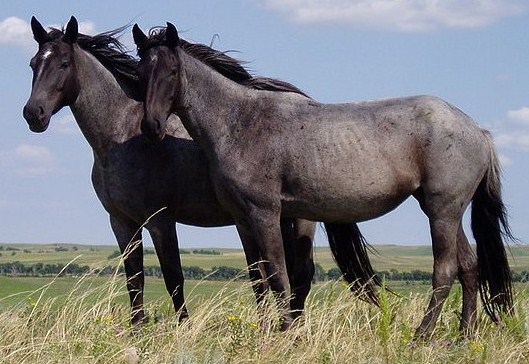
The Quran does not list animals like a zoology book. It says that every creature on the earth and every bird flying on two wings are “communities like you” (6:38). Animals come as blessings (cattle, horses, mules and donkeys, 16:5-8), as teachers (the crow that showed Adam's son how to bury his brother, 5:31), as parables (the spider's house, 29:41; the mosquito, 2:26; the fly, 22:73) and as signs (“Do they not look at the camels, how they are created?”, 88:17).
Four surahs carry the name of an animal that the ontology lists: al-Baqarah (the cow), al-Naḥl (the bee), al-Naml (the ant) and al-ʿAnkabūt (the spider). Two more, al-Anʿām (the cattle) and al-Fīl (the elephant), also carry animal names, although the ontology does not file them as animals.
Key facts
25 animal concepts, 93 mentions: 13 animals (54 mentions), 7 insects (11), 4 bird entries (23) and the fish (5).
The most mentioned creature is the bird (18 mentions in 16 verses), then the camel (15 mentions in 15 verses).
Counting theme tags too, Surah al-Naml has the most verses in this study (15): the ants, the hoopoe and the speech of birds taught to Sulaymān (27:16-20).
By the ontology's own tags, al-Aʿrāf has the most animal verses (9), then al-Baqarah and Yūsuf (8 each).
The ant is counted 3 times, all in a single verse (27:18), where an ant warns the others about Sulaymān's army.
Ibn Kathir explains the “inspiration” to the bee as instinctive guidance (ilhām), and its drink as honey with healing for people.
Scholars differ on al-ʿĀdiyāt (100:1): Ibn ʿAbbās and most commentators say war horses; ʿAlī is reported to have said the camels of the Hajj. Ibn Kathir reports both views.
Surahs named after these
Named after the cow the Children of Israel were told to slaughter (2:67-71).
Named after the bee, guided to build its homes in mountains and trees (16:68).
Named after the ants, whose valley Sulaymān's army reached (27:18).
Named after the spider, whose house is the frailest of houses (29:41).
“Communities like you”
Surah al-Anʿām says that every creature on the earth and every bird that flies on two wings forms a community (umma) like the human community, and that all will be gathered to their Lord (6:38). Every moving creature has its provision from Allah (11:6), and every creature was made from water: some crawl on their bellies, some walk on two legs and some on four (24:45).
Animals in the stories of the prophets
Many animals enter the Quran through a story. The cow that the Children of Israel were told to slaughter (2:67-71); the she-camel sent to Thamud as a sign for the prophet Ṣāliḥ (7:73); the wolf that Yūsuf's brothers blamed (12:17); the dog of the People of the Cave (18:18); the staff of Mūsā that became a snake (20:20); the locusts, lice and frogs sent upon Pharaoh's people (7:133); the ant and the hoopoe in the story of Sulaymān (27:18, 27:20); and the great fish that swallowed Yūnus (37:142).
Small creatures, big lessons
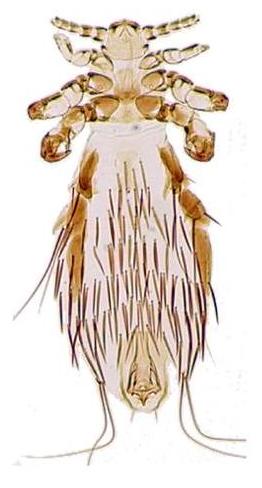
Allah “is not ashamed to give the example of a mosquito, or something above it” (2:26). If all false gods joined together they could not create a fly, nor take back what a fly snatches from them (22:73). Those who take protectors besides Allah are like the spider: its house is the frailest of houses (29:41). Ibn Kathir explains this as a parable of relying on something that cannot protect.
Livestock and the bee: blessings to be thankful for
Surah al-Naḥl lists animals as gifts: cattle give warmth, food and beauty (16:5-6); horses, mules and donkeys are for riding and adornment (16:8); and from the bellies of cattle comes pure milk, “between digested food and blood” (16:66), which Ibn Kathir explains as a sign of Allah's care. Then Allah “inspired the bee” to build homes in mountains, trees and trellises (16:68), and from its belly comes a drink of varied colours with healing for people (16:69). Ibn Kathir reads this “inspiration” (waḥy) as instinctive guidance (ilhām), not prophecy.
What the ontology leaves out
The ontology's list is a starting point, not the last word. The donkey (ḥimār) appears 5 times in the Quran (2:259, 16:8, 31:19, 62:5, 74:50) but is not one of the ontology's animals. The elephant gives its name to Surah al-Fīl (105:1), and the moths (farāsh) of the Day of Judgement appear in 101:4. Our theme index tags such verses, so they still appear in this study's verse list.
Every concept (27)






Themes
For reflection and discussion
The Quran calls animals “communities like you” (6:38). What can the ant of 27:18 and the crow of 5:31 teach us about responsibility and humility?