Earth, mountains, seas and rivers
الأرض والجبال والبحار والأنهار
The noun arḍ (earth) occurs 461 times; the ontology tags 409 of them as the concept Earth. Mountains (39), seas (41) and rivers (54) complete a picture of the earth as a bed, a home and a sign.
Including related themes: 412 verses across 58 surahs (shown in the chart below).
All figures are computed from the Quranic Arabic Corpus ontology and the Quran 360 theme index.
Take the lesson →Across the 114 surahs
Each bar is a surah; its height is how many verses of this study it contains. Tap a bar to open the surah.
The earth is the second most frequent concept in the whole ontology after Allah: 409 mentions. (The data keeps only its first 300 word references, in 286 verses, so the verse totals in this study are lower than the true figure.) Counting the noun itself in the Corpus morphology, arḍ occurs 461 times in 440 verses across 80 surahs.
The Quran describes the earth as spread out like a bed (78:6; 88:20), held firm by mountains (16:15; 78:7), crossed by rivers and roads (16:15), and holding seas whose waters meet without mixing (25:53; 55:19-20). The word jabal (mountain) occurs 39 times, baḥr (sea) 41 times and nahar (river) 54 times; in 42 of the river verses the word janna (garden) occurs as well, because so many describe gardens “beneath which rivers flow”.
The classical commentators explain these verses as signs of Allah's care and power. Modern geological readings are later and are marked as such below.
Key facts
Earth is the ontology's most frequent concept after Allah: 409 mentions.
The noun arḍ occurs 461 times in 440 verses across 80 of the 114 surahs.
Jabal (mountain) occurs 39 times in 32 surahs; baḥr (sea) 41 times in 25 surahs; nahar (river) 54 times in 32 surahs.
In 42 verses the word for river and the word for garden appear together: mostly gardens “beneath which rivers flow”.
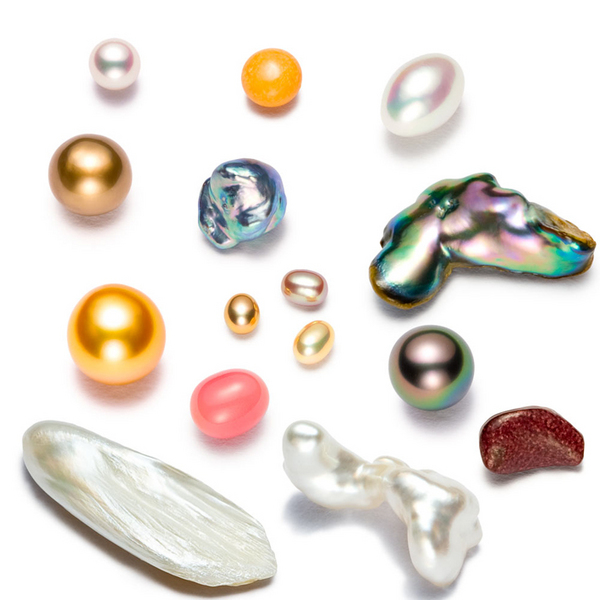
Pearls are mentioned 6 times and coral once, together in 55:22.
Ibn Kathir explains the mountains as rawāsī and awtād that make the earth stable for its people; modern geological comparisons are later readings.
Al-Ṭabarī records three readings of al-baḥr al-masjūr (52:6): the kindled sea, the filled sea, or the sea held back.
Surahs named after these
A bed and a resting place
“Have We not made the earth a resting place, and the mountains as pegs?” (78:6-7). “Do they not look at the camels, how they were created; at the sky, how it was raised; at the mountains, how they were set up; and at the earth, how it was spread out?” (88:17-20). On “after that He spread the earth” (79:30), al-Ṭabarī records a difference: whether the earth was spread out after the sky was built, or created before and only spread out after. A modern claim that daḥāhā means “egg-shaped” is not supported by the classical dictionaries or tafsir. Ibn Kathir explains kifātan (77:25) as the earth holding the living on its surface and the dead within it.
Mountains
The mountains are rawāsī (firm anchors) cast into the earth “lest it sway with you” (16:15; 21:31), and awtād (pegs) (78:7). They come in white and red streaks and in jet black (35:27). Ibn Kathir and the classical commentators explain these verses as the earth being made stable for its people; modern geological comparisons are later readings. Ibn Kathir places the mountains “passing like clouds” (27:88) on the Day of Resurrection, not in this world. The bee builds homes in the mountains (16:68), and Nūḥ's son thought a mountain would save him from the flood (11:43).
Two seas and a barrier
“He released the two seas, one sweet and fresh, the other salty and bitter, and placed between them a barrier (barzakh) and a partition” (25:53; also 55:19-20). The classical commentators, including Ibn Kathir, explain this as rivers meeting the sea. On 55:22, “from both come forth pearl and coral”, the grammarians and commentators differ on whether “from both” means from the salt sea only. The sea is also a place of provision and travel: fresh fish, ornaments to wear, and ships cutting through the waves (16:14).
Iron sent down
Surah al-Ḥadīd takes its name from 57:25: “We sent down iron, in which is great might and benefits for people.” Ibn Kathir explains the might as weapons and the benefits as tools. Modern readings about the cosmic origin of iron are later and not the classical explanation. Dāwūd was taught to make coats of mail from iron (34:10-11), and Dhū al-Qarnayn built his barrier from blocks of iron and molten copper (18:96).
Every concept (5)



Themes
For reflection and discussion
Surah al-Ghāshiya asks us to look at camels, the sky, mountains and the earth (88:17-20). Choose one and write three things it teaches about its Creator.