Plants, fruits and gardens
النبات والثمار والجنات في القرآن
The ontology lists 13 plants, from the date palm to the lentil, mentioned 79 times; with grain and the two trees of the unseen (the Lote Tree and Zaqqūm) the study has 16 concepts and 93 mentions.
Including related themes: 132 verses across 45 surahs (shown in the chart below).
All figures are computed from the Quranic Arabic Corpus ontology and the Quran 360 theme index.
Take the lesson →Across the 114 surahs
Each bar is a surah; its height is how many verses of this study it contains. Tap a bar to open the surah.
The Quran speaks of plants as provision, as signs and as parables. The QAC ontology lists 13 plants: the tree in general, the date palm, the grape, the olive, the leaf, the pomegranate and seven plants mentioned once (cucumber, fig, garlic, ginger, herb, lentil and onion), with 79 mentions. This study adds grain (ḥabba) and two trees of the unseen, the Lote Tree (sidra) and Zaqqūm, for 16 concepts and 93 mentions.
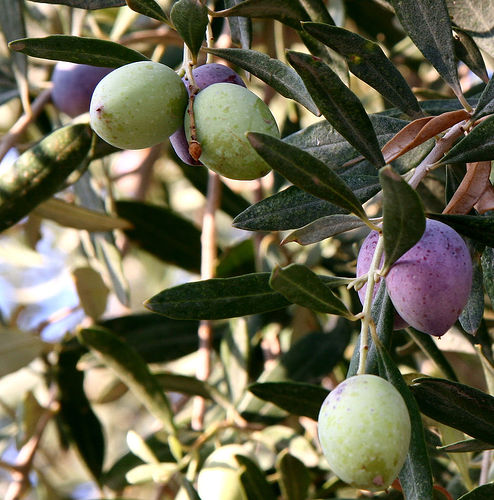
The most mentioned plant is the tree (25 mentions), followed closely by the date palm (22 mentions in 22 verses across 17 surahs). The palm, the grape and the olive often come together, as in 6:99 and 16:11, where rain brings out “crops, olives, date palms, grapes and every kind of fruit”.
The word for garden, janna, occurs 147 times. It is used for earthly gardens (the two gardens of 18:32, the garden of Sabaʾ, 34:15) and, most often, for Paradise.
Key facts
13 plants in the ontology, 79 mentions; the tree (25) and the date palm (22) lead.
With grain, the Lote Tree and Zaqqūm the study has 16 concepts and 93 mentions; with theme tags it covers 132 verses in 45 surahs.
Five plants share one verse: herbs, cucumbers, garlic, lentils and onions (2:61).
The word janna (garden) occurs 147 times, for earthly gardens and for Paradise.
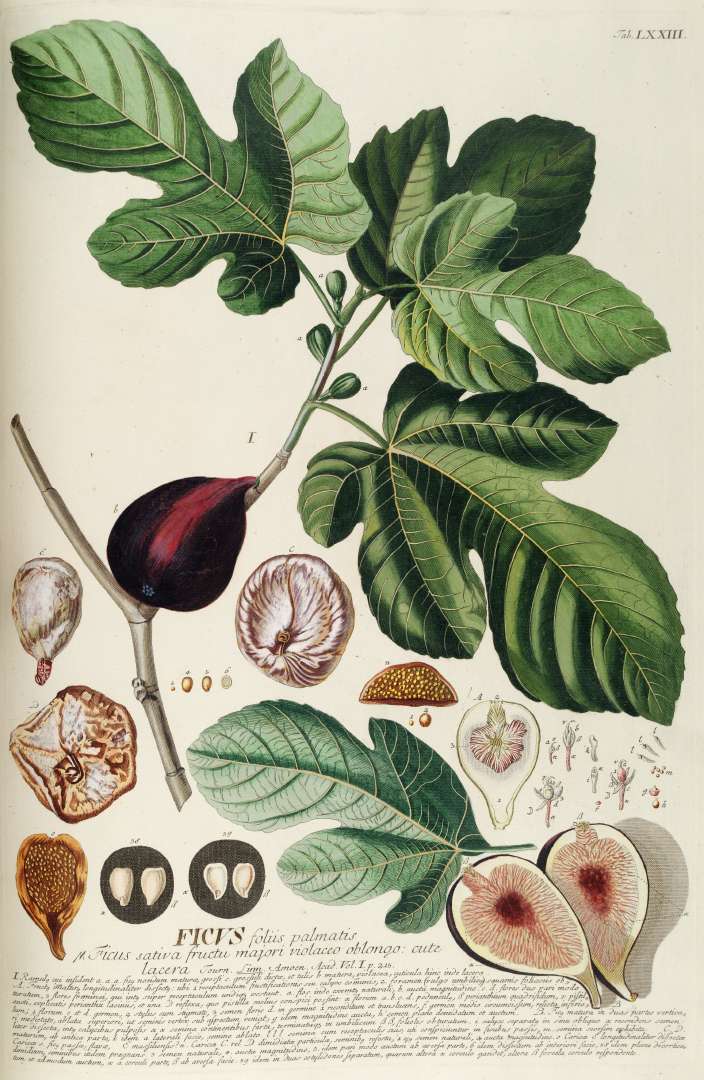
Surah al-Tīn opens with an oath by the fig and the olive (95:1). It is the only mention of the fig.
Ibn Kathir mentions the markh and ʿafār trees, whose green wood the Arabs used to strike fire, on 36:80.
Surahs named after these
Rain, then growth
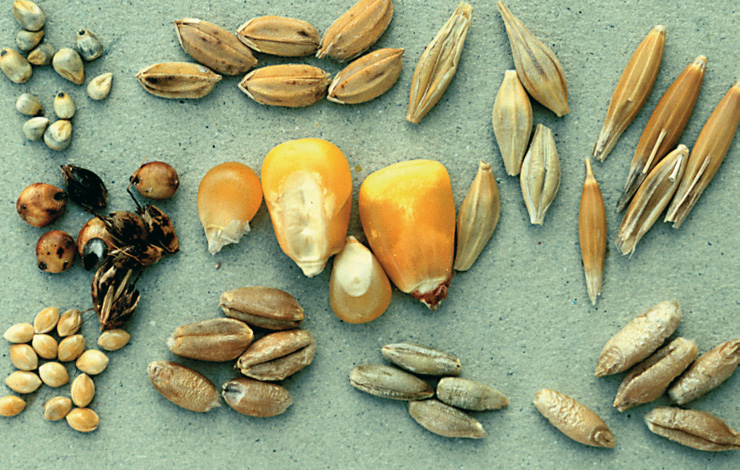
Again and again the Quran links plants to water sent down from the sky: “With it He grows for you crops, olives, date palms, grapes and every kind of fruit. In that is a sign for people who reflect” (16:11). In 6:99 the same water brings out green shoots, close-packed grain, clusters of dates, gardens of grapes, olives and pomegranates. Surah ʿAbasa asks the reader to look at his food: grain, grapes, herbs, olives, palms, gardens, fruit and pasture (80:24-31).
The date palm
The date palm is the most widely spread plant in the Quran: 22 mentions in 17 surahs. Maryam was told to shake the trunk of a palm tree so that fresh dates would fall for her (19:25). The moon's last phase is compared to an old, dried date stalk (36:39), and the destroyed people of ʿĀd to hollow palm trunks (69:7).
Trees as parables
A good word is like a good tree: its root firm and its branches in the sky (14:24); an evil word is like an evil tree, uprooted from the earth (14:26). The olive gives the oil of the lamp in the Verse of Light, “from a blessed olive tree, neither of the east nor of the west” (24:35). Fire is struck from the green tree (36:80): Ibn Kathir mentions the markh and ʿafār trees from whose green wood the Arabs made fire.
Trees of the unseen
Two trees belong to the world beyond: the Lote Tree of the Utmost Boundary (sidrat al-muntahā), near which is the Garden of Refuge (53:14-15), and the tree of Zaqqūm, “a tree that comes out of the bottom of Hellfire” (37:62-64; 44:43; 56:52). The ontology's Lote Tree also includes the lote trees of Sabaʾ (34:16) and the thornless lote trees of Paradise (56:28).
The vegetables of Banī Isrāʾīl
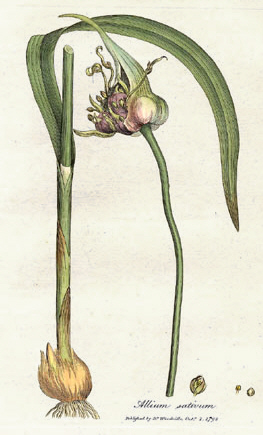
Five of the ontology's plants appear in a single verse. Tired of manna and quails, the Children of Israel asked Mūsā for “herbs, cucumbers, garlic, lentils and onions” (2:61). He answered: “Would you exchange what is better for what is lower?”
Every concept (17)







Themes
For reflection and discussion
In 14:24 a good word is like a good tree. Which “good words” in your life have deep roots and give fruit in every season (14:25)?